Seismic bracing, commonly referred to as seismic braces, are crucial components in ensuring the structural safety and integrity of buildings during earthquakes. These braces act as reinforcements that help prevent damage and collapse by stabilizing the building against the lateral forces generated by seismic activity. In this article, we will delve deeper into the importance of seismic bracing, how they work, and their role in seismic-resistant construction.
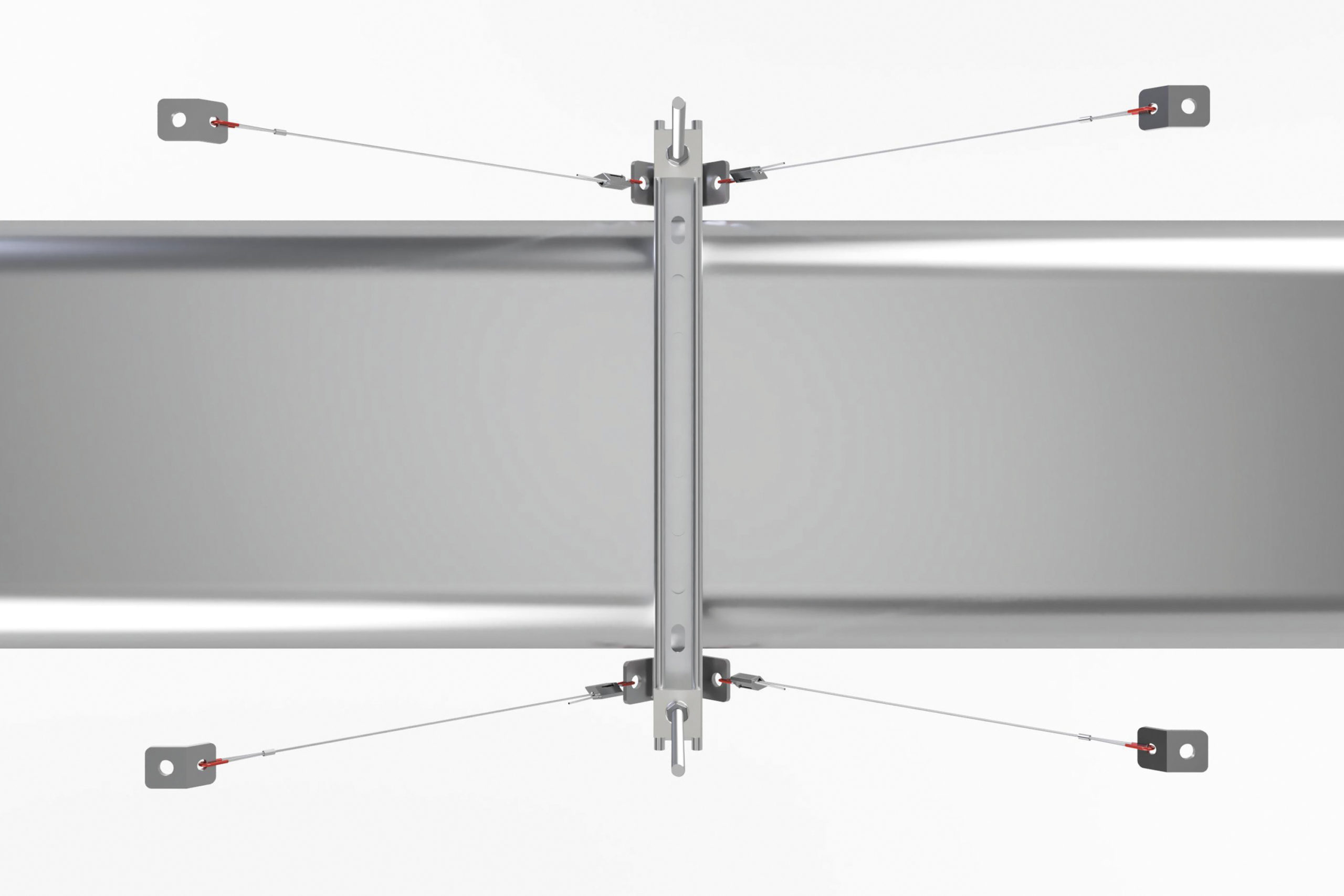
In regions prone to earthquakes, such as the Pacific Ring of Fire, seismic bracing is a mandatory requirement for construction projects. These braces are specifically designed to absorb and dissipate the energy produced by seismic waves, thereby reducing the impact on the building’s structure. Without proper seismic bracing, buildings are at a higher risk of sustaining severe damage or complete collapse during an earthquake.
One of the key factors that contribute to the effectiveness of seismic bracing is their ability to provide flexibility and movement in response to ground shaking. By allowing the building to sway and absorb the seismic forces, the braces help distribute the stress evenly throughout the structure, thus minimizing concentrated points of failure. This mechanism helps improve the building’s overall resilience to seismic activity and increases its chances of survival during an earthquake.
There are various types of seismic braces used in construction, each serving a specific purpose and catering to different structural requirements. Some common types of seismic bracing include X-braces, V-braces, eccentric bracing, and buckling-restrained braces. These braces are strategically placed in the building’s framework to provide optimum support and stability, ensuring the structure can withstand the lateral forces exerted during an earthquake.
When designing a building with seismic bracing, engineers consider factors such as the building’s height, weight, occupancy load, and the local seismic activity to determine the most suitable bracing system. The goal is to create a balance between strength and flexibility, ensuring that the building can withstand seismic forces while maintaining its structural integrity.
In addition to providing structural support, seismic bracing also plays a crucial role in protecting the occupants of a building during an earthquake. By preventing collapse and minimizing damage, these braces help create a safer environment for people inside the building. This is especially important in high-density urban areas where the risk of casualties and injuries during earthquakes is higher.
Furthermore, seismic bracing is not just limited to new construction projects. Existing buildings can also benefit from retrofitting with seismic bracing to enhance their seismic resilience and comply with modern seismic codes. Retrofitting older buildings with seismic bracing involves assessing the building’s structural weaknesses and implementing the necessary reinforcements to improve its seismic performance.
The cost of implementing seismic bracing in a building may vary depending on the size and complexity of the structure, as well as the type of bracing system used. However, the investment in seismic bracing can significantly reduce the risk of damage and costly repairs in the event of an earthquake, making it a worthwhile expense for property owners and developers.
In conclusion, seismic bracing is a critical component of seismic-resistant construction that helps protect buildings from the destructive forces of earthquakes. By providing support, stability, and flexibility, these braces play a crucial role in ensuring the safety of both structures and occupants during seismic events. Whether in new construction or retrofitting existing buildings, seismic bracing is a necessary measure to mitigate the risks associated with earthquakes and enhance the resilience of buildings in seismic-prone areas.