• Enhancing Airway Skills With The Use Of An Airway Trainer

    The airway is a vital part of the human body that allows us to breathe and speak. In emergency situations, proper airway management can mean the difference between life and death. This is where an airway trainer comes into play.

    An airway trainer is a simulation device used to practice airway management techniques. It is designed to mimic the anatomy of the human airway, allowing medical professionals to practice various procedures such as intubation, suctioning, and ventilation. These trainers come in a variety of sizes and shapes, with some even featuring realistic skin and airway structures.

    One of the key benefits of using an airway trainer is the ability to practice in a controlled environment. In a real-life emergency, medical professionals may not always have the time or resources to try out different techniques. With an airway trainer, they can simulate scenarios and perfect their skills before encountering a real patient.

    Another advantage of using an airway trainer is the opportunity for repeated practice. Repetition is crucial in mastering any skill, especially one as important as airway management. By using an airway trainer, medical professionals can practice as many times as needed to build confidence and proficiency.

    Furthermore, airway trainers can be an effective tool for teaching and learning. Medical students and residents can benefit from hands-on practice with an airway trainer before working with actual patients. It provides a safe and controlled environment for them to learn and make mistakes without any risk to patients.

    Additionally, using an airway trainer can help improve teamwork and communication among healthcare providers. In emergency situations, effective communication is essential for successful airway management. By practicing with an airway trainer, medical professionals can work together to develop a plan and execute it efficiently.

    There are various types of airway trainers available on the market, each offering unique features and capabilities. Some trainers are designed for basic airway management skills, while others are more advanced and can simulate complex scenarios. Factors to consider when choosing an airway trainer include cost, portability, durability, and realism.

    When using an airway trainer, it is essential to follow proper guidelines and techniques to ensure optimal training outcomes. Medical professionals should approach each practice session with a focused mindset and treat it as if it were a real-life emergency. They should also seek feedback from instructors or peers to help identify areas for improvement.

    In conclusion, an airway trainer is a valuable tool for enhancing airway management skills among medical professionals. It provides a safe and controlled environment for practicing various techniques, improving proficiency, and building confidence. By incorporating an airway trainer into training programs, healthcare providers can better prepare for emergency situations and ultimately improve patient outcomes.
  • The Devastating Impact Of Art Fire Damage

    Fires can have a catastrophic impact on communities, destroying homes, businesses, and sometimes even priceless works of art. art fire damage not only results in the loss of valuable pieces but also the destruction of cultural heritage. The aftermath of a fire can be devastating for artists, collectors, museums, and art lovers alike.

    When a fire breaks out in a museum, gallery, or private collection, the consequences can be dire. The intense heat of the flames can cause paintings to warp and blister, sculptures to melt or crack, and delicate materials to become charred beyond recognition. Firefighters often have to act quickly to contain the blaze, which can result in further damage as water is used to extinguish the flames.

    One of the most famous incidents of art fire damage occurred in 2018 when the National Museum of Brazil in Rio de Janeiro went up in flames. The museum housed over 20 million artifacts, including precious artworks, historical documents, and ancient fossils. The loss was incalculable, with irreplaceable pieces of Brazil’s cultural heritage being reduced to ashes.

    In addition to the physical damage caused by the fire itself, the smoke and soot that are released during a blaze can also wreak havoc on artworks. Smoke particles can settle on surfaces, causing discoloration and staining. Soot can penetrate porous materials, such as canvas and wood, making it difficult to remove and resulting in long-term damage. The odor of smoke can also be difficult to eliminate, leaving a lingering reminder of the fire.

    Once the fire has been extinguished and the smoke has cleared, the process of salvaging and restoring damaged art begins. This can be a daunting task, requiring specialized knowledge, skills, and equipment. Conservators must carefully assess the extent of the damage and develop a plan for cleaning, repairing, and stabilizing the affected pieces.

    Depending on the severity of the damage, some artworks may be beyond repair. In these cases, artists, collectors, and museums are faced with the heartbreaking task of coming to terms with the loss of irreplaceable pieces. The emotional toll of art fire damage can be profound, as individuals grapple with the destruction of works they have spent years creating, collecting, or preserving.

    Preventing art fire damage is crucial, but unfortunately, fires can be unpredictable and uncontrollable. Museums and galleries often have fire suppression systems in place, such as sprinklers and smoke detectors, to help minimize the risk of a blaze. However, these measures are not always effective, especially in older buildings or those with inadequate safety features.

    In the wake of a fire, the art community often bands together to provide support and resources for those affected. Fundraisers, benefit auctions, and donation drives are just some of the ways that artists and art lovers come together to help rebuild and recover. The resilience and solidarity of the art world in the face of tragedy is a testament to the power of creativity and community.

    art fire damage serves as a stark reminder of the fragility of cultural heritage and the importance of protecting and preserving artworks for future generations. It highlights the need for increased awareness and preparedness when it comes to safeguarding valuable pieces of art from the devastating impact of fires. By taking proactive measures and investing in fire prevention and mitigation strategies, we can help ensure that our artistic treasures are safeguarded for years to come.

    In conclusion, art fire damage is a tragic and devastating consequence of fires that can have lasting impacts on artists, collectors, museums, and art lovers. The loss of priceless artworks and cultural heritage is incalculable, highlighting the need for increased awareness and preparedness in safeguarding against such disasters. The resilience and support of the art community in the aftermath of a fire are a testament to the power of creativity and community in the face of tragedy. We must continue to work together to protect and preserve our artistic treasures from the destructive force of fires.

  • Uncovering The Strengths Of Seismic Wire

    seismic wire, often referred to as a geophone or a seismometer, serves as an integral part of seismic exploration. This specialized wire is designed to detect and record ground vibrations caused by seismic activities, providing valuable data for the study of movements within the Earth’s crust. In this article, we will delve into the intricacies of seismic wire and explore its significance in geophysical research.

    seismic wire is composed of a series of interconnected sensors that are carefully placed along the ground to capture seismic waves. These sensors are highly sensitive and are able to detect even the slightest movements within the Earth. By recording these vibrations, scientists are able to map out the subsurface structure of the Earth, providing crucial information for a variety of applications, including oil and gas exploration, earthquake monitoring, and geothermal energy production.

    One of the key strengths of seismic wire lies in its ability to accurately capture and record seismic data in real-time. The sensors along the wire are designed to pick up various frequencies of seismic waves, allowing scientists to analyze the nature and intensity of the vibrations. This data is then processed and used to create detailed seismic profiles of the subsurface, helping to identify potential seismic hazards and locate valuable underground resources.

    Another important aspect of seismic wire is its durability and reliability. The wire is designed to withstand harsh environmental conditions, including extreme temperatures, moisture, and rough terrain. This ensures that the sensors remain operational and continue to collect data even in challenging field conditions. Additionally, seismic wire is often buried underground or placed on the ocean floor, further protecting it from external factors that could interfere with its performance.

    seismic wire is also highly versatile and can be customized to suit different research needs. The sensors can be configured in various layouts and patterns to optimize data collection based on the specific objectives of the study. Whether it is conducting a detailed seismic survey or monitoring ongoing seismic activity, seismic wire offers flexibility and adaptability to meet a wide range of research requirements.

    In addition to its role in seismic exploration, seismic wire plays a crucial part in disaster management and early warning systems. By continuously monitoring seismic activity, scientists can detect potential earthquakes and tsunamis before they occur, providing valuable time for evacuation and emergency response efforts. This proactive approach to disaster management can help save lives and reduce the impact of natural disasters on communities.

    The data collected by seismic wire is also invaluable for understanding the dynamics of the Earth’s crust and predicting future seismic events. By analyzing seismic waves and studying the behavior of faults and tectonic plates, scientists can gain insights into the processes that drive earthquakes and other geological phenomena. This knowledge is essential for developing effective strategies to mitigate the risks associated with seismic hazards and improve our understanding of the Earth’s geology.

    Overall, seismic wire plays a vital role in advancing our understanding of the Earth’s structure and seismic activity. Its ability to accurately capture and record seismic data in real-time, combined with its durability and versatility, makes it an essential tool for geophysical research. From mapping subsurface structures to monitoring seismic hazards, seismic wire continues to make significant contributions to scientific discovery and disaster management efforts.

    In conclusion, seismic wire is a powerful tool that has revolutionized the field of seismic exploration. Its strength lies in its ability to capture and record seismic data with precision, durability, and reliability. As we continue to unlock the mysteries of the Earth’s crust and monitor seismic activity, seismic wire will undoubtedly remain a critical component in our quest for scientific knowledge.

  • The Role Of General Builders In Construction Projects

    general builders play a vital role in construction projects by overseeing and managing various aspects of the building process. These professionals are responsible for ensuring that projects are completed on time, within budget, and to the satisfaction of the client. From planning and design to construction and finishing touches, general builders are involved every step of the way to ensure a successful project.

    One of the key responsibilities of general builders is to work closely with architects and engineers to interpret building plans and blueprints. They must have a solid understanding of construction principles and codes to ensure that the project meets all regulatory requirements. general builders are also responsible for coordinating subcontractors, scheduling deliveries, and managing labor crews to keep the project on track.

    In addition to overseeing the day-to-day operations of a construction project, general builders must also ensure the quality of workmanship and materials used. They are responsible for conducting inspections and quality checks throughout the project to ensure that everything is up to standard. general builders must also be able to troubleshoot any issues that may arise during construction and come up with solutions quickly to keep the project moving forward.

    Another important aspect of a general builder’s role is budget management. They are responsible for estimating project costs, creating budgets, and tracking expenses throughout the project to ensure that it stays within budget. General builders must be able to negotiate with suppliers and subcontractors to get the best prices on materials and labor to help keep costs down. They must also be able to make adjustments to the budget as needed to accommodate unexpected expenses or changes to the project scope.

    Communication is key for general builders, as they must be able to effectively communicate with clients, subcontractors, and labor crews to keep everyone informed and on the same page. General builders must be able to listen to the needs and concerns of the client and make sure that they are met throughout the construction process. They must also be able to communicate with subcontractors and labor crews to ensure that everyone is working together efficiently to meet project deadlines.

    General builders must also be well-versed in project management principles to effectively coordinate all aspects of a construction project. They must be able to develop and manage project schedules, allocate resources, and monitor progress to ensure that the project stays on track. General builders must also be able to make adjustments to the project plan as needed to accommodate changes or unforeseen circumstances.

    In conclusion, general builders play a crucial role in construction projects by overseeing and managing all aspects of the building process. From interpreting building plans to managing budgets and coordinating labor crews, general builders wear many hats to ensure the success of a project. Their attention to detail, problem-solving skills, and communication abilities are essential for keeping a project on track and delivering a high-quality finished product. The next time you see a building going up, remember the important role that general builders play in bringing that project to life.

  • Advantages Of Mechanical Seismic Support In Construction

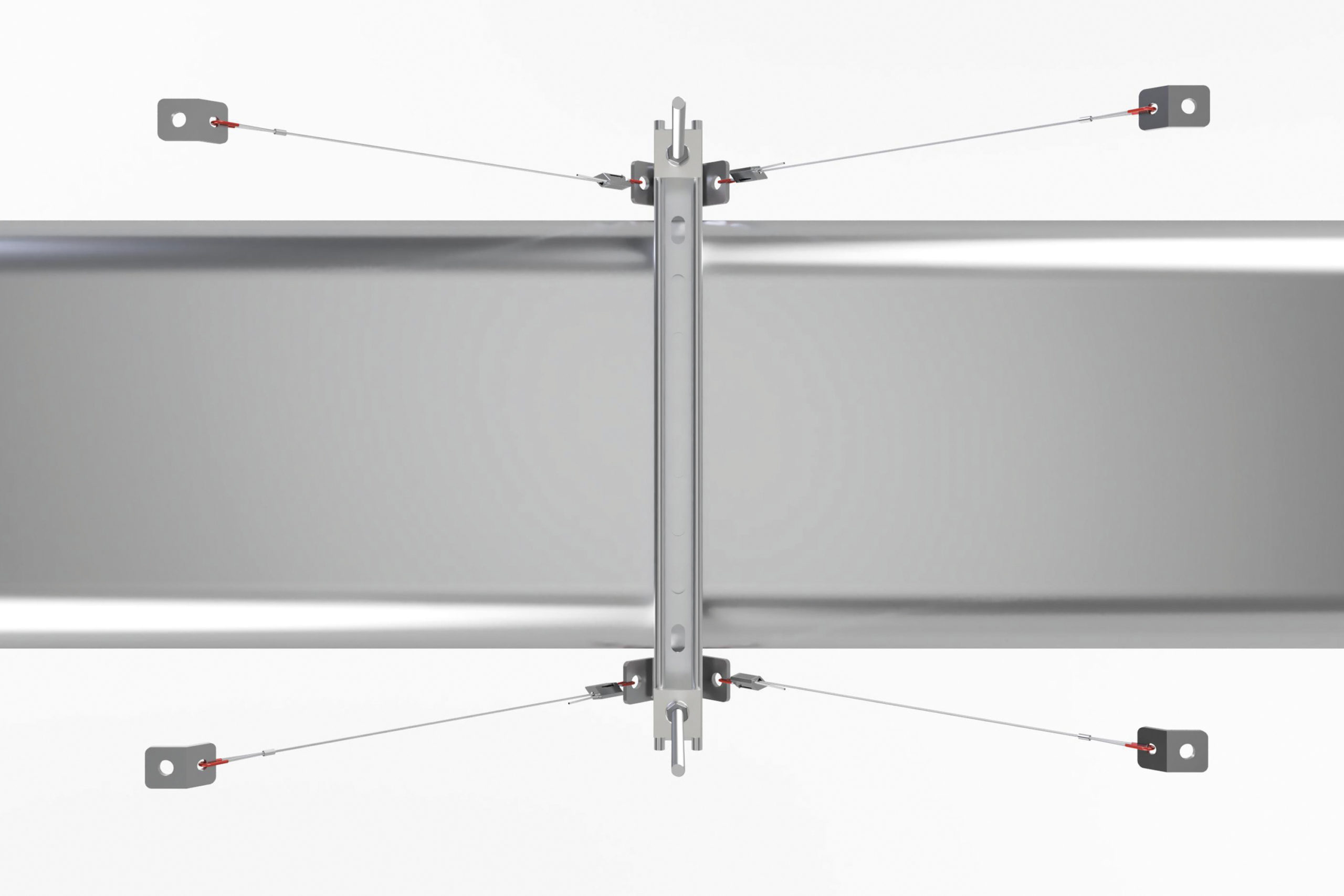
    In the world of construction, ensuring the safety and stability of structures is of utmost importance. This is especially crucial in areas prone to seismic activity, where buildings and infrastructure face the constant risk of damage and collapse. To combat these risks, engineers and construction experts have developed a range of seismic support systems designed to protect buildings during earthquakes. One such system is mechanical seismic support, which offers a number of advantages over traditional methods.

    mechanical seismic support systems, also known as base isolation systems, work by decoupling a building’s foundation from the ground, allowing it to move independently during an earthquake. This movement helps to absorb the energy generated by seismic waves, reducing the impact on the structure above. There are several different types of mechanical seismic support systems, including elastomeric bearings, sliding bearings, and friction pendulum bearings, each with its own unique advantages.

    One of the key advantages of mechanical seismic support systems is their ability to protect a wide range of structures, from small residential buildings to large commercial complexes. Unlike traditional methods such as shear walls and bracing, which can be bulky and restrictive, mechanical seismic support systems are highly versatile and can be customized to suit the specific needs of a building. This flexibility makes them ideal for both new construction projects and retrofitting existing structures to meet modern safety standards.

    Another advantage of mechanical seismic support systems is their durability and longevity. Unlike traditional methods that may need to be replaced or repaired after an earthquake, mechanical seismic support systems are designed to withstand multiple seismic events without sustaining damage. This not only saves money on repairs and maintenance but also ensures that buildings remain safe and stable for years to come.

    In addition to their strength and durability, mechanical seismic support systems are also highly effective at reducing the impact of seismic waves on a building. By allowing the foundation to move independently, these systems help to dissipate the energy generated by an earthquake, minimizing the forces transmitted to the structure above. This can significantly reduce the risk of damage and collapse, making mechanical seismic support systems an essential tool for protecting buildings in earthquake-prone areas.

    Furthermore, mechanical seismic support systems are relatively easy to install compared to traditional methods. While the initial cost of these systems may be higher, the long-term benefits far outweigh the investment. Not only do mechanical seismic support systems offer superior protection against earthquakes, but they also require less maintenance and upkeep over time. This means that building owners can enjoy peace of mind knowing that their structures are safe and secure, without the need for constant repairs and inspections.

    Overall, mechanical seismic support systems offer a range of advantages over traditional methods for protecting buildings in earthquake-prone areas. From their versatility and durability to their effectiveness at reducing the impact of seismic waves, these systems provide a reliable and cost-effective solution for ensuring the safety and stability of structures. Whether used in new construction projects or retrofitted to existing buildings, mechanical seismic support systems are an essential tool for engineers and construction experts working in seismic regions.

    In conclusion, mechanical seismic support systems offer a viable solution for protecting buildings from the devastating effects of earthquakes. By decoupling a building’s foundation from the ground and allowing it to move independently, these systems effectively reduce the impact of seismic waves and minimize the risk of damage and collapse. With their versatility, durability, and effectiveness, mechanical seismic support systems provide a valuable tool for ensuring the safety and stability of structures in earthquake-prone areas.

  • The Cost-Effective Choice: How Much Money Can A Company Save By Hiring In South Africa Instead Of Elsewhere?

    In today’s globalized economy, companies are constantly seeking ways to reduce costs and increase efficiency One way to achieve this is by offshoring certain business functions to countries with lower labor costs South Africa has emerged as a popular destination for companies looking to save money on employment expenses while still maintaining high-quality output.

    When it comes to hiring in South Africa, there are several key factors that contribute to cost savings for companies These include lower labor costs, favorable exchange rates, tax incentives, and a highly skilled workforce By taking advantage of these benefits, companies can significantly reduce their operating expenses and improve their bottom line.

    One of the most significant cost savings for companies hiring in South Africa is lower labor costs The cost of living in South Africa is generally lower compared to many Western countries, which means that wages tend to be more competitive This is especially true for industries such as IT, engineering, and customer service, where skilled workers can be hired at a fraction of the cost compared to hiring locally.

    Additionally, the favorable exchange rate between the South African Rand and major foreign currencies such as the US Dollar and Euro also contributes to cost savings for companies This means that companies can get more value for their money when paying employees in South Africa, further reducing labor costs and increasing overall profitability.

    Furthermore, the South African government offers various tax incentives and rebates to companies that choose to invest in the country This includes deductions for company expenses, tax breaks for hiring local employees, and reduced corporate tax rates for certain industries “””how much money can a company save by hiring in south africa instead of the. By taking advantage of these incentives, companies can save even more money on their operations in South Africa.

    Another key factor that contributes to cost savings for companies hiring in South Africa is the highly skilled workforce available in the country South Africa is known for its strong education system, with many universities and technical colleges producing graduates with specialized skills in areas such as IT, engineering, finance, and healthcare This means that companies can easily find qualified and experienced professionals to fill their staffing needs, without having to invest in expensive training programs or recruitment processes.

    Overall, companies can save a significant amount of money by hiring in South Africa instead of elsewhere By taking advantage of lower labor costs, favorable exchange rates, tax incentives, and a highly skilled workforce, companies can reduce their operating expenses and increase their profitability Additionally, hiring in South Africa can also improve the overall quality of the company’s output, as employees are highly educated and skilled in their respective fields.

    In conclusion, companies looking to cut costs and improve efficiency should consider hiring in South Africa as a cost-effective solution With lower labor costs, favorable exchange rates, tax incentives, and a highly skilled workforce, companies can save a substantial amount of money while still maintaining high-quality standards By making the decision to hire in South Africa, companies can position themselves for success in the global market and achieve long-term sustainability and growth.

  • Enhancing Your Home With A Conservatory Flat Roof With Lantern

    When it comes to home renovations and extensions, a conservatory is a popular choice for many homeowners Not only does it add value to the property, but it also provides additional space for relaxation and entertainment One key feature that can truly elevate the design and functionality of a conservatory is a flat roof with a lantern.

    A conservatory flat roof with a lantern combines the sleek and modern look of a flat roof with the classic charm and elegance of a lantern This combination not only brings in ample natural light but also creates a striking focal point in any home Whether you are looking to create a cozy reading nook, a sunny breakfast area, or a space for indoor plants, a conservatory flat roof with a lantern is a versatile and stylish option.

    One of the main advantages of a conservatory flat roof with a lantern is the abundance of natural light it brings into the space The lantern, typically placed in the center of the roof, allows sunlight to filter in from multiple angles, creating a bright and airy atmosphere This natural light not only helps to reduce energy costs but also has been shown to have a positive impact on mood and productivity.

    In addition to natural light, a conservatory flat roof with a lantern also offers excellent ventilation The windows in the lantern can be opened to allow for fresh air to circulate, creating a comfortable and inviting environment Proper ventilation is essential in a conservatory to prevent the buildup of condensation and mold, and the lantern design helps to achieve optimal airflow.

    Another benefit of a conservatory flat roof with a lantern is the aesthetic appeal it brings to the home conservatory flat roof with lantern. The sleek lines of a flat roof combined with the elegant design of a lantern create a modern yet timeless look that complements a variety of architectural styles Whether you have a traditional or contemporary home, a conservatory flat roof with a lantern can seamlessly blend in with the existing structure while adding a touch of sophistication.

    Furthermore, a conservatory flat roof with a lantern allows for versatility in design and customization From choosing the size and shape of the lantern to selecting the material and color of the roof, homeowners have the flexibility to create a space that aligns with their personal style and preferences Whether you prefer a minimalist and understated look or a bold and eye-catching design, a conservatory flat roof with a lantern can be customized to suit your tastes.

    When considering a conservatory flat roof with a lantern for your home, it is important to work with a reputable and experienced contractor A skilled contractor will be able to guide you through the design and installation process, ensuring that the final result meets your expectations and requirements From obtaining necessary permits to selecting high-quality materials, a professional contractor can help you make informed decisions and avoid common pitfalls.

    In conclusion, a conservatory flat roof with a lantern is a stylish and practical addition to any home From the abundance of natural light to the excellent ventilation and customizable design options, this feature offers a range of benefits for homeowners looking to enhance their living space Whether you are looking to create a cozy retreat or a sunny gathering spot, a conservatory flat roof with a lantern is sure to elevate the beauty and functionality of your home.

  • The Benefits Of Offshore RPO: A Comprehensive Guide

    Recruitment process outsourcing (RPO) has become increasingly popular in recent years as organizations strive to streamline their talent acquisition processes and improve recruitment outcomes Offshore RPO, in particular, has emerged as a cost-effective and efficient solution for companies looking to outsource their recruiting functions to experts located in other countries.

    Offshore RPO involves partnering with a third-party provider in a different country to handle all or part of the recruitment process This can include activities such as sourcing candidates, conducting interviews, managing candidate relationships, and even overseeing onboarding processes By leveraging the expertise and resources of an offshore RPO provider, organizations can reduce time-to-hire, improve candidate quality, and ultimately drive business growth.

    One of the key benefits of offshore RPO is cost savings By outsourcing recruiting functions to countries with lower labor costs, organizations can significantly reduce their recruitment expenses Offshore RPO providers often offer competitive pricing models that allow companies to pay only for the services they need, without any additional overhead costs This can result in savings of up to 40% compared to traditional in-house recruitment methods.

    In addition to cost savings, offshore RPO can also provide access to a larger pool of talent By tapping into international markets, organizations can benefit from a diverse range of candidates with unique skills and experiences Offshore RPO providers are well-equipped to source candidates from different geographies, industries, and backgrounds, ensuring that companies have access to the best talent available This can be particularly advantageous for organizations looking to fill niche roles or expand their presence in new markets.

    Another advantage of offshore RPO is scalability As business needs fluctuate, companies can easily ramp up or scale back their recruitment efforts by leveraging the flexibility of offshore RPO providers This enables organizations to adapt quickly to changing market conditions, seasonal demands, or sudden spikes in hiring volumes With offshore RPO, companies can maintain a lean and agile recruiting function that can easily adjust to meet evolving business requirements.

    Offshore RPO also offers improved efficiency and speed offshore rpo. By outsourcing time-consuming recruiting tasks to experts in other countries, organizations can accelerate their hiring processes and reduce time-to-fill metrics Offshore RPO providers often have the technology, resources, and expertise needed to streamline recruitment workflows, automate repetitive tasks, and optimize candidate sourcing and screening This allows companies to focus on more strategic talent acquisition initiatives while leaving the operational aspects of recruiting to offshore RPO experts.

    Moreover, offshore RPO can enhance the quality of hires By partnering with recruiting specialists who understand the local job market dynamics, cultural nuances, and industry trends, organizations can improve the caliber of candidates they attract and retain Offshore RPO providers leverage their knowledge and networks to identify top talent, engage passive candidates, and assess candidate fit more effectively This results in higher-quality hires who are more likely to succeed and contribute to the long-term success of the organization.

    Despite its many benefits, offshore RPO is not without challenges Organizations considering offshore RPO must ensure they choose the right provider with a proven track record of success, strong industry expertise, and a commitment to quality and compliance Cultural differences, time zone variations, language barriers, and data security concerns are also important factors to consider when outsourcing recruiting functions to other countries.

    In conclusion, offshore RPO offers numerous advantages for organizations seeking to transform their recruitment processes and drive business growth From cost savings and access to a diverse talent pool to scalability, efficiency, and improved quality of hires, offshore RPO can help companies achieve their recruiting goals more effectively and competitively By partnering with a trusted offshore RPO provider, organizations can unlock new opportunities, expand their reach, and gain a competitive edge in today’s dynamic and fast-paced talent acquisition landscape.

    Overall, offshore RPO can be a strategic and cost-effective solution for organizations looking to optimize their recruitment processes, enhance their talent acquisition capabilities, and achieve their business objectives By leveraging the expertise and resources of offshore RPO providers, companies can overcome recruitment challenges, access global talent pools, and drive sustainable growth and success in an increasingly competitive and dynamic marketplace.

  • The Benefits Of Outsourcing IT Recruitment

    In today’s fast-paced world, technology is constantly evolving and businesses are always in need of skilled IT professionals to help them stay ahead of the competition However, finding the right candidates to fill these roles can be a challenging and time-consuming process This is where outsourcing IT recruitment comes in.

    Outsourcing IT recruitment involves hiring a third-party agency to handle the recruitment process for your organization This can include everything from sourcing and screening candidates to managing the interview process and making job offers By outsourcing this task, businesses can save time, money, and resources while ensuring that they find the best talent to help them grow and succeed.

    There are several key benefits to outsourcing IT recruitment One of the main advantages is that it allows businesses to tap into a larger pool of candidates Recruitment agencies often have access to a wide network of qualified professionals who may not be actively looking for a job but are open to new opportunities This can help businesses find top talent that they may not have been able to reach on their own.

    Outsourcing IT recruitment also helps businesses save time and resources Recruiting can be a lengthy and labor-intensive process that requires a significant investment of time and resources By outsourcing this task, businesses can focus on their core activities while leaving the recruitment process in the hands of experts who specialize in finding IT professionals.

    Another benefit of outsourcing IT recruitment is that it can lead to faster hiring times outsource it recruitment. Recruitment agencies are experienced in quickly identifying and screening qualified candidates, which can help businesses fill critical roles faster and more efficiently This can be especially important in the fast-paced world of IT, where businesses need to act quickly to stay ahead of the competition.

    Additionally, outsourcing IT recruitment can help businesses save money in the long run While there may be upfront costs associated with hiring a recruitment agency, the time and resources saved in the recruitment process can ultimately lead to cost savings By finding the right candidates quickly and efficiently, businesses can avoid costly hiring mistakes and ensure that they have the skilled professionals they need to succeed.

    Outsourcing IT recruitment can also help businesses improve the quality of their hires Recruitment agencies are experts in identifying and screening qualified candidates, which can help businesses ensure that they are hiring the best talent for their organization This can lead to higher employee retention rates, improved productivity, and ultimately, better business outcomes.

    Overall, outsourcing IT recruitment can be a smart move for businesses looking to find top IT talent quickly and efficiently By tapping into a larger pool of candidates, saving time and resources, and improving the quality of hires, businesses can stay competitive in today’s fast-paced business environment.

    In conclusion, outsourcing IT recruitment can offer a wide range of benefits for businesses looking to find top IT talent By tapping into a larger pool of candidates, saving time and resources, and improving the quality of hires, businesses can stay ahead of the competition and ensure that they have the skilled professionals they need to succeed Consider outsourcing your IT recruitment needs today and see the difference it can make in your organization.

  • The Benefits Of Implementing An RPO Organization

    Recruitment Process Outsourcing (RPO) has become an increasingly popular method for companies to streamline their hiring processes and improve their overall talent acquisition strategies An RPO organization is a third-party service provider that takes over some or all of a company’s recruitment activities This can include sourcing candidates, screening resumes, conducting interviews, and even managing the entire recruitment process from start to finish.

    There are many benefits to implementing an RPO organization within a company One of the biggest advantages is the cost savings that can be achieved By outsourcing the recruitment process, companies can eliminate the need for in-house recruiters and save on the costs associated with advertising job openings, conducting background checks, and training new employees This can result in significant savings over time, allowing companies to allocate their resources more efficiently and effectively.

    Another key benefit of using an RPO organization is the access to specialized expertise and technology RPO providers are often experts in recruiting and have access to the latest tools and technologies that can help streamline the hiring process This can result in faster time-to-fill rates, higher quality hires, and ultimately, a more competitive workforce Additionally, RPO organizations can provide valuable insights and analytics that can help companies make better decisions when it comes to their recruitment strategies.

    One of the main reasons why companies choose to work with an RPO organization is the scalability that it offers Whether a company is experiencing rapid growth and needs to hire large numbers of employees quickly, or is facing a period of downsizing and needs to streamline their recruitment efforts, an RPO organization can adapt to meet the needs of the business rpo organisation. This flexibility allows companies to scale their recruitment efforts up or down as needed, without having to make significant changes to their internal processes or infrastructure.

    Implementing an RPO organization can also lead to improved candidate experience and employer branding RPO providers are often able to provide a more personalized and efficient recruiting experience for candidates, which can lead to higher levels of satisfaction and engagement Additionally, working with an RPO organization can help companies improve their employer branding by ensuring that the recruitment process is conducted in a professional and consistent manner This can help companies attract top talent and enhance their reputation in the marketplace.

    Overall, there are many benefits to implementing an RPO organization within a company From cost savings to improved efficiency and access to specialized expertise, RPO organizations can help companies streamline their recruitment processes, attract top talent, and build a more competitive workforce By outsourcing some or all of their recruitment activities to an RPO provider, companies can focus on their core business functions and leave the recruiting to the experts.

    In conclusion, the benefits of implementing an RPO organization are clear Companies that choose to work with an RPO provider can achieve cost savings, access specialized expertise and technology, improve scalability, enhance candidate experience and employer branding, and ultimately, build a more competitive workforce As the business landscape continues to evolve, RPO organizations will play an increasingly important role in helping companies adapt to changing market conditions and attract top talent.