seismic wire, often referred to as a geophone or a seismometer, serves as an integral part of seismic exploration. This specialized wire is designed to detect and record ground vibrations caused by seismic activities, providing valuable data for the study of movements within the Earth’s crust. In this article, we will delve into the intricacies of seismic wire and explore its significance in geophysical research.
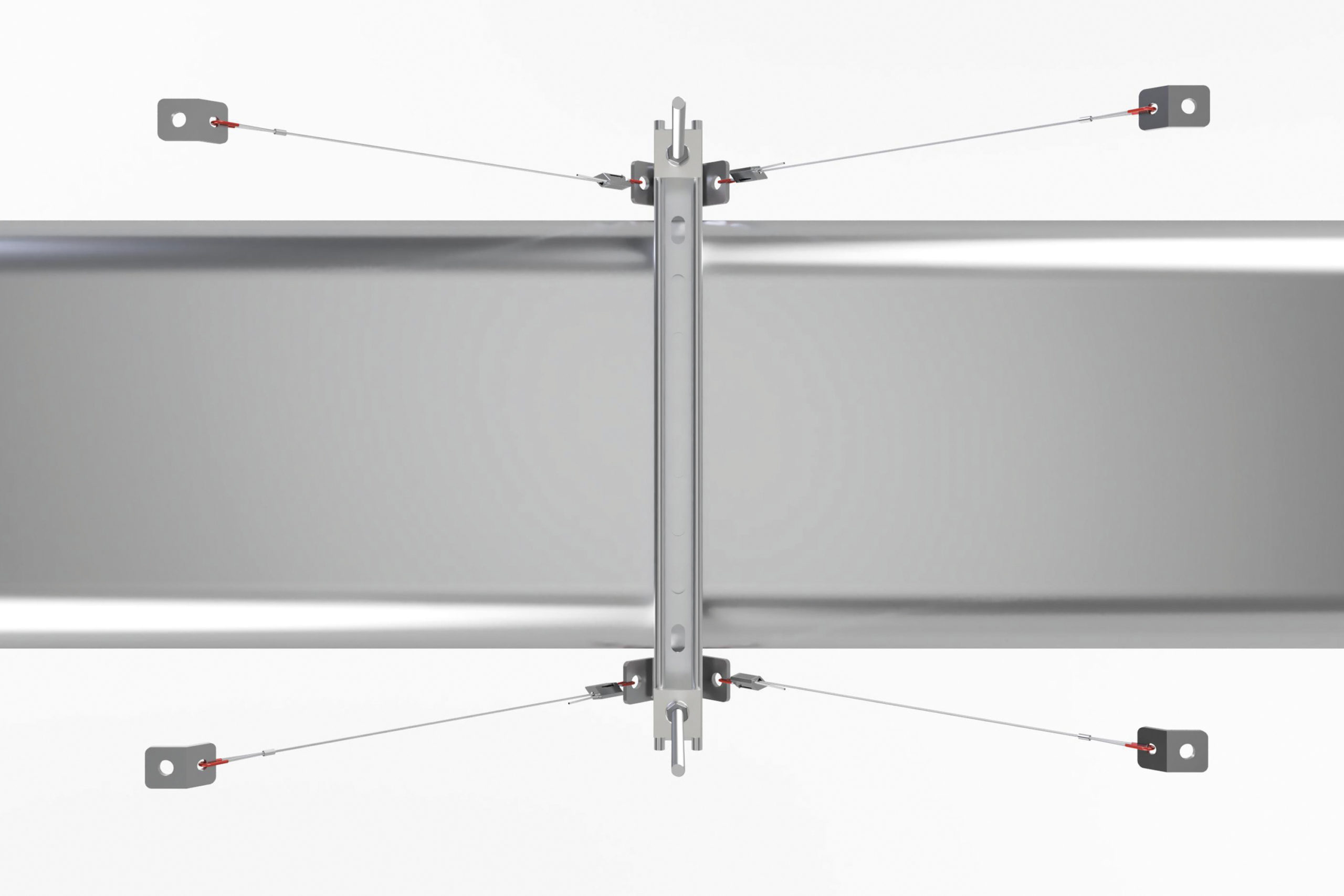
seismic wire is composed of a series of interconnected sensors that are carefully placed along the ground to capture seismic waves. These sensors are highly sensitive and are able to detect even the slightest movements within the Earth. By recording these vibrations, scientists are able to map out the subsurface structure of the Earth, providing crucial information for a variety of applications, including oil and gas exploration, earthquake monitoring, and geothermal energy production.
One of the key strengths of seismic wire lies in its ability to accurately capture and record seismic data in real-time. The sensors along the wire are designed to pick up various frequencies of seismic waves, allowing scientists to analyze the nature and intensity of the vibrations. This data is then processed and used to create detailed seismic profiles of the subsurface, helping to identify potential seismic hazards and locate valuable underground resources.
Another important aspect of seismic wire is its durability and reliability. The wire is designed to withstand harsh environmental conditions, including extreme temperatures, moisture, and rough terrain. This ensures that the sensors remain operational and continue to collect data even in challenging field conditions. Additionally, seismic wire is often buried underground or placed on the ocean floor, further protecting it from external factors that could interfere with its performance.
seismic wire is also highly versatile and can be customized to suit different research needs. The sensors can be configured in various layouts and patterns to optimize data collection based on the specific objectives of the study. Whether it is conducting a detailed seismic survey or monitoring ongoing seismic activity, seismic wire offers flexibility and adaptability to meet a wide range of research requirements.
In addition to its role in seismic exploration, seismic wire plays a crucial part in disaster management and early warning systems. By continuously monitoring seismic activity, scientists can detect potential earthquakes and tsunamis before they occur, providing valuable time for evacuation and emergency response efforts. This proactive approach to disaster management can help save lives and reduce the impact of natural disasters on communities.
The data collected by seismic wire is also invaluable for understanding the dynamics of the Earth’s crust and predicting future seismic events. By analyzing seismic waves and studying the behavior of faults and tectonic plates, scientists can gain insights into the processes that drive earthquakes and other geological phenomena. This knowledge is essential for developing effective strategies to mitigate the risks associated with seismic hazards and improve our understanding of the Earth’s geology.
Overall, seismic wire plays a vital role in advancing our understanding of the Earth’s structure and seismic activity. Its ability to accurately capture and record seismic data in real-time, combined with its durability and versatility, makes it an essential tool for geophysical research. From mapping subsurface structures to monitoring seismic hazards, seismic wire continues to make significant contributions to scientific discovery and disaster management efforts.
In conclusion, seismic wire is a powerful tool that has revolutionized the field of seismic exploration. Its strength lies in its ability to capture and record seismic data with precision, durability, and reliability. As we continue to unlock the mysteries of the Earth’s crust and monitor seismic activity, seismic wire will undoubtedly remain a critical component in our quest for scientific knowledge.